
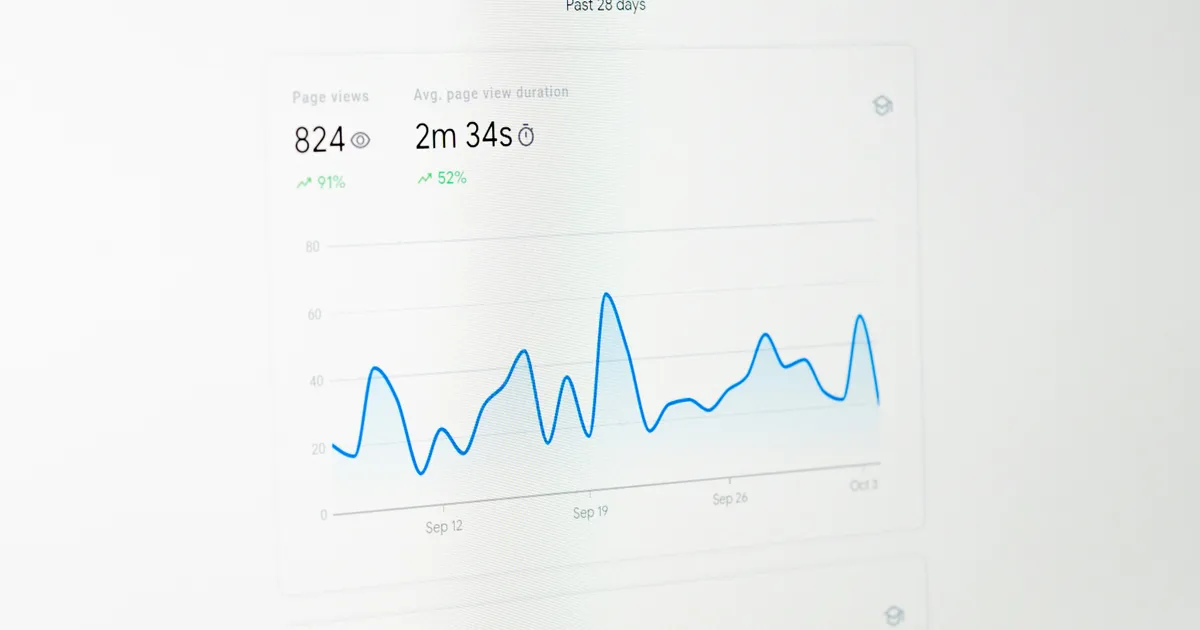
Achieving a consistent website traffic increase through audience behavior analysis is the ultimate goal for digital marketers aiming to scale their online presence in 2026. Rather than relying on guesswork or vanity metrics, data-driven organizations leverage behavioral insights to optimize user journeys, reduce bounce rates, and maximize conversion potential. By examining how visitors interact with specific site elements, you can identify friction points that hinder growth and implement surgical improvements that resonate with your target demographic. This strategic approach transforms raw analytics into actionable intelligence, allowing you to prioritize high-impact changes that drive sustainable traffic and improve search engine rankings. Mastering these analytical techniques is no longer optional for businesses seeking a competitive advantage in an increasingly crowded digital landscape.
Understanding Behavioral Analytics
Behavioral analytics goes beyond traditional demographic data to reveal the psychological triggers and navigation patterns of your site visitors. By utilizing advanced tracking tools, businesses can observe session recordings, heatmaps, and clickstream data to understand exactly what captures the attention of their audience. This granular view allows for a deep dive into user intent, helping you categorize visitors based on their stage in the buying cycle. When you align your content strategy with these observed behaviors, you create a more personalized experience that encourages repeat visits and higher engagement levels across all digital touchpoints.
Modern platforms like Google Analytics 4 have evolved to provide sophisticated event tracking that captures these nuances effectively. In 2026, the focus has shifted toward predictive modeling, where historical behavioral data informs future content production and site architecture updates. By analyzing which pages hold user interest the longest and where users typically drop off, you can reallocate resources to optimize high-performing assets. This iterative process of testing and refining based on real-world actions is the cornerstone of sustainable traffic growth and improved user satisfaction metrics throughout the entire site ecosystem.
Related Posts
- How Predictive Audience Modeling Transforms Campaign Targeting Performance
- Real-Time Customer Intent Analysis: How to Optimize Your Digital Campaigns for Higher Conversions
- 7 Best Audience Analytics Platforms for Digital Advertising in 2026
- From Zero to Profit: 7 Successful Content Monetization Stories from Emerging Websites
- 7 Digital Advertising Innovations Every Modern Website Owner Should Use in 2026
Identifying Friction Points
Uncovering the barriers preventing users from engaging with your site is essential for any successful website traffic increase through audience behavior analysis strategy. Friction often manifests as confusing navigation, slow page load times, or poorly placed calls-to-action that disrupt the user flow. By conducting thorough funnel analysis, you can pinpoint the specific stages where potential visitors abandon your site. Identifying these leakage points enables you to run A/B tests that simplify the journey, ensuring that your audience can effortlessly move from initial interest to final conversion without unnecessary obstacles or technical frustrations.
To visualize these issues, many marketers rely on scroll depth and click density maps. These tools reveal if your audience is actually reaching the vital content you have placed at the bottom of your landing pages. If data shows that users stop scrolling before hitting your primary value proposition, you know exactly where to tighten your messaging or restructure your layout. Furthermore, identifying technical errors through console logs and mobile responsiveness checks is vital in 2026, as search engines prioritize sites that offer a seamless, error-free mobile experience for every single visitor.
The Impact of Personalization
Personalization based on behavioral analysis is a powerful lever for driving consistent traffic growth and improving overall site authority. When you tailor content to match the specific interests and previous interactions of a user, you create a sense of relevance that keeps them coming back. For example, if a returning visitor has previously shown interest in specific product categories, dynamically updating your homepage to feature those items can significantly boost engagement rates. This level of customization demonstrates to your audience that you understand their unique needs, fostering brand loyalty and encouraging organic word-of-mouth growth.
Data-Driven Personalization Tactics
Implementing dynamic content blocks is one of the most effective ways to leverage audience data for better results. By using cookies and session tracking, you can swap out hero banners, blog recommendations, and newsletter signup forms to align with the specific intent of the viewer. Research from Nielsen Norman Group highlights how tailoring interfaces based on user persona behavior leads to higher task completion rates and improved user retention. This strategy not only drives direct traffic but also signals to search engines that your site is highly relevant to specific user queries, which can lead to higher organic search rankings.
Comparing Behavioral Strategies
Choosing the right method to analyze behavior depends on your business goals and the volume of traffic you currently process. Below is a comparison of common analytical approaches used to optimize site performance and drive traffic growth effectively.
| Strategy | Focus Area | Primary Benefit |
|---|---|---|
| Heatmap Analysis | Visual Interaction | Identifies click and scroll patterns. |
| Session Recordings | User Journey Flow | Reveals specific navigation frustrations. |
| Funnel Analysis | Conversion Paths | Highlights exit points in the sales cycle. |
| A/B Testing | Variable Performance | Validates changes with empirical data. |
Leveraging User Feedback Loops
Integrating direct user feedback with quantitative behavioral data creates a comprehensive view of your site’s performance. While analytics show you what is happening, direct feedback provides the essential context regarding why it is happening. By deploying exit-intent surveys or short onsite polls, you can capture the sentiment of users who are about to leave your site. This qualitative data is invaluable when trying to understand if your traffic drop-offs are due to pricing concerns, content quality, or technical issues that your analytics platform might be misinterpreting or failing to capture entirely.
Combining these insights allows for more precise adjustments to your content marketing strategy. If your data shows a high bounce rate on a specific article, but your feedback polls reveal that users found the information too technical, you have a clear mandate to simplify the language or add supplemental guides. This proactive approach to audience management ensures that your site remains a helpful resource, which is a significant factor for search engines when determining which pages to rank in top positions. Continuous refinement based on both data and human insight is the hallmark of a high-growth digital strategy.
Content Optimization for Growth
Content remains the primary driver of organic traffic, but its effectiveness is dictated by how well it aligns with audience behavior. Analyzing which topics attract the most repeat visitors allows you to double down on high-performing themes while pruning or updating underperforming pages. In 2026, search algorithms are increasingly focusing on topical authority, meaning your content should be structured to answer the broader questions your audience is asking. By mapping your content to different stages of the user journey—from awareness to decision—you ensure that every visitor finds exactly what they need to progress further.
Furthermore, internal linking strategies should be informed by the paths users typically take. If you notice a high correlation between users reading a foundational guide and then moving to a product-specific page, you should strengthen those internal connections to improve site structure. This logical flow not only helps users find information but also helps search engine crawlers understand the hierarchy and relevance of your pages. Consistently updating your content based on these observed behaviors ensures that your site remains fresh, relevant, and authoritative, which are critical components for maintaining a long-term website traffic increase.
Key Takeaways
- Behavioral data reveals the ‘why’ behind user navigation patterns.
- Heatmaps and session recordings are essential for identifying UX friction.
- Personalization improves engagement and builds long-term brand loyalty.
- Quantitative analytics must be paired with qualitative user feedback.
- Content strategy should be iterative and based on high-performing topics.
- Optimizing for user intent leads to higher organic search visibility.
Frequently Asked Questions
What is behavioral analysis?
Behavioral analysis is the process of tracking and interpreting how users interact with your website, focusing on clicks, scrolls, and navigation paths rather than just basic demographics.
How does this increase traffic?
By removing friction and providing personalized content, you increase user satisfaction and retention, leading to more repeat visits and better search engine rankings.
Are tools for this expensive?
There are many free and freemium tools available that provide robust behavioral data, making it accessible for businesses of all sizes to start tracking user intent.
How often should I analyze data?
You should review your behavioral data at least monthly to identify trends and adjust your site strategy to keep up with changing user preferences.
Can this help with SEO?
Yes, behavioral signals like time on page and bounce rate are increasingly important factors that search engines use to evaluate the quality and relevance of your content.
Conclusion
Implementing a strategy focused on website traffic increase through audience behavior analysis requires a commitment to continuous learning and adaptation. By utilizing tools that track user interactions, identifying and fixing friction points, and prioritizing personalized experiences, you can transform your site into a high-performing asset. As we move further into 2026, the brands that listen to their users and evolve based on concrete data will inevitably outperform those that rely on static, outdated approaches. Start your journey today by auditing your current user paths and making one small, data-backed improvement to see immediate results in your traffic metrics.