
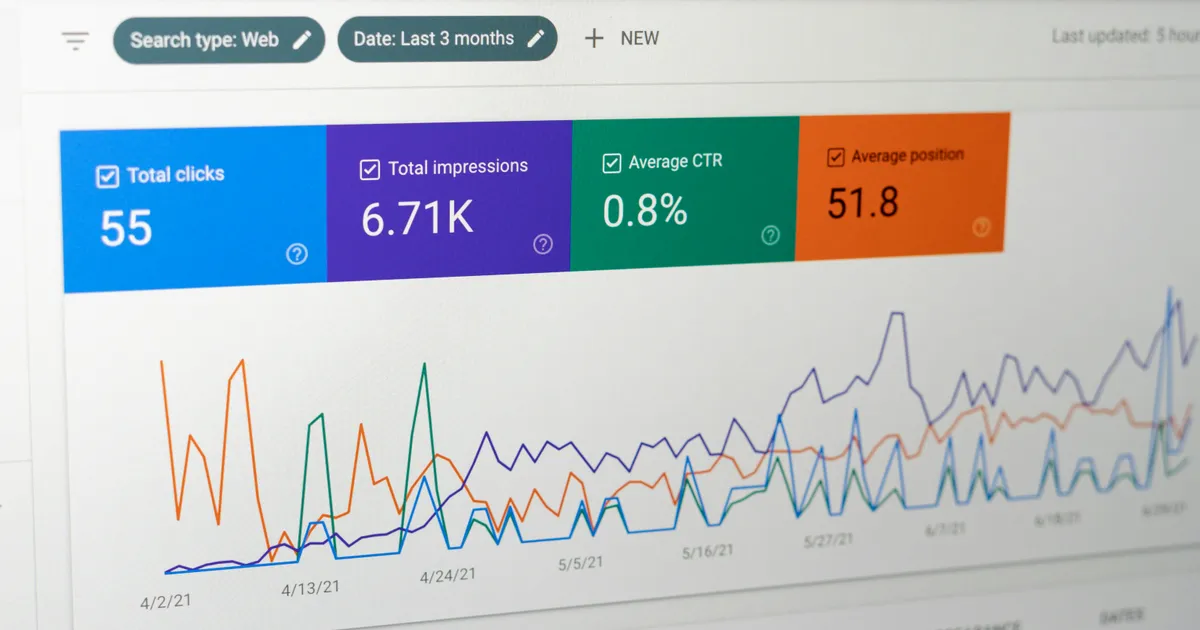
Modern publishers improve content visibility with structured optimization by leveraging advanced semantic data to help search engines interpret context more effectively. As the digital landscape becomes increasingly saturated, relying solely on high-quality writing is no longer sufficient to secure top-tier rankings in 2026. By implementing schema markup and structural data hierarchies, content creators provide bots with a clearer roadmap of their site architecture. This technical precision allows search algorithms to display rich snippets, knowledge panels, and interactive elements that significantly boost click-through rates. When publishers align their technical foundation with user intent, they transform static pages into dynamic assets that search engines prioritize across competitive SERP environments. Mastering these strategies is essential for any brand aiming to maintain authority and organic traffic growth in an era dominated by AI-driven search experiences.
The Role of Schema Markup in SEO
Schema markup serves as the standardized vocabulary that allows search engines to categorize content accurately, moving beyond simple keyword matching. By wrapping specific elements of a page—such as author information, publication dates, or review ratings—in machine-readable code, publishers provide essential context that improves visibility. This structured approach helps search engines like Google and Bing understand complex relationships between different data points, ensuring that your content appears in relevant context-specific queries. When you annotate your articles with structured data, you effectively reduce the ambiguity that algorithms face when crawling massive datasets, which often leads to higher indexing priority and better site health scores.
Implementing these protocols involves using JSON-LD, which is currently the preferred format for most web developers due to its ease of integration. Unlike traditional metadata, schema allows for the display of rich results that occupy more screen real estate, naturally drawing the user’s eye away from competitors. As we move further into 2026, the reliance on these structured signals will only increase as search engines prioritize verified information over unformatted text. According to insights from Google Search Central, structured data is a primary factor in qualifying for rich results, making it an indispensable tool for any publisher looking to gain a competitive edge in organic search discovery.
Related Posts
- The Future of Engagement: How Immersive Advertising Experiences Are Transforming User Interaction
- How to Optimize Website Campaign Performance: A Data-Driven Guide for Owners
- How to Build and Launch a Profitable Digital Advertising Website from Scratch
- Top 7 Emerging Ad Technology Trends Shaping the Future of Digital Media
- How Predictive Audience Modeling Transforms Campaign Targeting Performance
Improving Site Architecture for Crawlers
A well-organized site architecture is the backbone of content visibility, as it dictates how efficiently search engine crawlers can index your pages. Publishers who focus on logical internal linking and hierarchical URL structures make it easier for algorithms to pass authority from high-performing pages to newer content. By grouping related topics into silos, you signal to search engines that your domain possesses topical authority in specific niches. This structural clarity prevents orphaned pages and ensures that every piece of content has a clear path for discovery, which is critical for long-term SEO success and consistent traffic flow across the entire platform.
Effective internal linking acts as a navigation guide for users and bots alike, fostering a better understanding of your content’s topical clusters. When you connect related articles through descriptive anchor text, you reinforce the relevance of your content to specific search queries. This strategy also encourages users to stay on your site longer, which signals engagement to search engines and further improves your rankings. Publishers who prioritize a clean, intuitive, and hierarchical site structure often experience fewer indexing errors and faster crawl rates. Maintaining this technical hygiene is a core pillar of modern SEO that remains vital as algorithms continue to favor user-centric, well-structured digital environments.
Comparison of Optimization Strategies
Publishers must choose the right tools to balance technical depth with content velocity. The following table illustrates how different optimization layers impact visibility and search engine performance over time.
| Strategy | Implementation Effort | Visibility Impact | Search Engine Trust |
|---|---|---|---|
| Schema Markup | Medium | High (Rich Snippets) | High |
| Internal Linking | Low | Medium (Authority Flow) | Medium |
| Core Web Vitals | High | High (Ranking Factor) | High |
| Semantic SEO | Medium | Medium (Topical Depth) | High |
Leveraging Semantic Search Trends
Semantic search represents a shift toward understanding user intent rather than just identifying keywords, and structured optimization is the key to capturing this traffic. By focusing on entity-based SEO, publishers can ensure their content is associated with established topics and authoritative concepts within the knowledge graph. This involves using structured data to define entities like organizations, products, or people, which helps search engines build a comprehensive picture of your brand’s expertise. When your content is semantically linked to these entities, you increase the likelihood of appearing in voice search results and personalized assistant queries, which are becoming standard in 2026.
To succeed here, content creators should move away from rigid keyword stuffing and toward comprehensive, long-form content that answers the user’s underlying questions. Incorporating natural language processing (NLP) principles into your writing ensures that your content reads well to both humans and machines. You can find excellent resources on these evolving standards at Moz, where industry experts discuss the importance of topic modeling and entity optimization. By aligning your content strategy with semantic search trends, you position your brand as a reliable source of information, making it easier for algorithms to recommend your articles as the definitive answer to complex search queries.
Integrating User Intent Data
Understanding user intent requires analyzing search query patterns to determine if a user is looking for information, a transaction, or a specific website. By tagging content with specific intent-based schema, you can guide search engines to match your pages with the most relevant users. This granular approach prevents high bounce rates and improves the overall quality of traffic arriving at your site. As search engines prioritize user satisfaction, aligning your content’s structure with the specific needs of your audience becomes a critical advantage. This alignment ensures that your visibility is not just high, but also highly effective at driving meaningful conversions and engagement.
Mobile Optimization and Performance
With mobile-first indexing being the industry standard, publishers must ensure their structured data and content layout perform flawlessly on smaller screens. Mobile optimization is no longer just about responsive design; it involves optimizing page load speeds and minimizing layout shifts that frustrate users. When structured data is improperly implemented on mobile, it can lead to hidden content or indexing errors that drag down your search performance. Publishers who prioritize mobile-friendly structures and fast, efficient code are rewarded with better rankings in mobile SERPs, which currently account for the majority of global search traffic.
Performance metrics, specifically Core Web Vitals, provide a measurable way to assess how your structured content interacts with mobile browsers. Focusing on Largest Contentful Paint (LCP) and Cumulative Layout Shift (CLS) ensures that your content remains accessible and visually stable for all visitors. Publishers who invest in lean code and efficient server responses see a direct correlation between improved performance and higher visibility in search rankings. In 2026, the speed and stability of your mobile experience are non-negotiable factors that determine whether your structured optimization efforts result in a top-three ranking or remain buried on the second page.
Future-Proofing Your Content Strategy
As AI and machine learning continue to reshape the search landscape, future-proofing your content means building a foundation that is adaptable to rapid changes in algorithm updates. Publishers must move beyond static tactics and embrace a dynamic approach that incorporates data-driven insights and ongoing technical audits. By consistently monitoring how search engines interact with your structured data, you can quickly pivot your strategy to capitalize on new features and requirements. This proactive stance ensures that your visibility remains resilient even as the definition of a “search result” continues to evolve toward more interactive and automated formats.
Investing in scalable infrastructure and maintaining high standards for content quality will always be the safest bet for long-term SEO success. While technical optimizations provide the necessary framework, the substance of your content must continue to provide genuine value to your target audience. By combining the precision of structured optimization with the depth of high-quality, user-focused writing, you create a powerful synergy that is difficult for competitors to replicate. This dual-focus approach is the hallmark of successful publishers who consistently lead their respective markets and maintain strong organic visibility despite the ongoing shifts in the digital search ecosystem.
Key Takeaways
- Structured data (schema) is essential for earning rich snippets and increasing click-through rates.
- Logical internal linking strengthens topical authority and improves the crawlability of your site.
- Semantic SEO helps search engines understand the context and intent behind your content.
- Mobile performance and Core Web Vitals are critical ranking factors that cannot be ignored.
- Future-proofing requires a balance between technical optimization and high-quality, user-centric content.
Frequently Asked Questions
What is the most important schema type for publishers?
The Article schema is the most critical for publishers, as it provides search engines with essential metadata like author, publication date, and headline, which are vital for news and blog content.
How does structured data affect my search rankings?
While schema is not a direct ranking factor in every case, it drastically improves your chances of obtaining rich snippets, which significantly boosts visibility and CTR, indirectly signaling quality to search engines.
Is JSON-LD the only way to implement schema?
No, but it is highly recommended by Google because it is easy to read, implement, and maintain compared to older methods like Microdata or RDFa.
How often should I audit my site’s technical structure?
You should perform a full technical SEO audit at least quarterly, or immediately following any major site migration or significant update to your CMS or page templates.
Can structured optimization help with voice search?
Yes, by providing clear, entity-focused data, you make it easier for search assistants to pull specific answers from your pages, which is a major component of capturing voice search traffic.
Conclusion
Mastering the art of how publishers improve content visibility with structured optimization requires a dedication to both technical precision and editorial quality. By adopting schema markup, optimizing your site architecture, and focusing on semantic relevance, you create a digital ecosystem that search engines can easily understand and trust. As we look ahead through 2026, these efforts will distinguish the authoritative leaders from the rest of the pack. Stay adaptable, prioritize the user experience, and continuously refine your technical foundation to ensure your content remains highly visible in an increasingly competitive search landscape.