
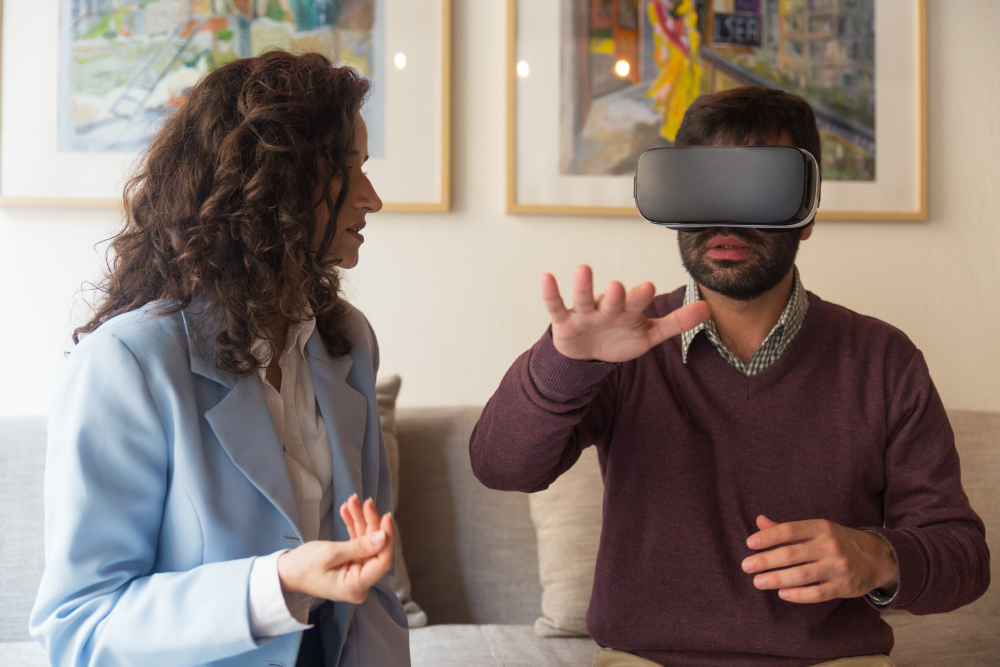
How immersive advertising experiences are changing user engagement represents the most significant shift in digital marketing strategies as we approach 2026. Traditional banner ads and static pop-ups are rapidly losing their effectiveness as consumers develop banner blindness, forcing brands to pivot toward sensory-rich, interactive environments. By leveraging augmented reality (AR), virtual reality (VR), and spatial computing, companies are no longer just broadcasting messages; they are inviting audiences to participate in branded narratives. This transition from passive consumption to active participation creates deep emotional connections, significantly increasing brand recall and conversion rates. As technology bridges the gap between digital content and physical reality, the landscape of consumer interaction is being fundamentally rewritten to prioritize value, utility, and genuine entertainment over intrusive sales tactics.
The Evolution of Digital Ad Formats
The history of digital advertising has moved from simple text links to complex multimedia experiences. In the early 2010s, engagement was measured largely by clicks and impressions, metrics that often failed to capture the true intent or sentiment of the user. Today, immersive advertising is changing user engagement by focusing on dwell time and interaction depth. Brands now utilize high-fidelity 3D assets that allow users to manipulate products in a virtual space, providing a tactile experience that was previously impossible online. This shift is supported by massive advancements in web-based AR, which allows users to test products without downloading heavy applications or specialized software.
As we head into 2026, the integration of artificial intelligence further refines these experiences by personalizing the environment based on real-time user behavior. When a user engages with an immersive ad, the system can adjust the lighting, product variation, or narrative path to suit individual preferences. This level of customization ensures that every interaction feels unique and relevant. According to research from the Interactive Advertising Bureau, campaigns that incorporate interactive elements see a significant boost in secondary engagement metrics, proving that users are not just looking at ads but actively exploring them.
Related Posts
- 7 Digital Advertising Innovations Every Modern Website Owner Should Use in 2026
- Real-Time Ad Serving Technology: How to Optimize Campaign Performance
- Real-Time Customer Intent Analysis: How to Optimize Your Digital Campaigns for Higher Conversions
- How to Build Traffic for Your New Blog Before Ad Network Approval
- The Future of Advertising Infrastructure: Key Trends for Modern Publishers
The Impact of AR on Consumer Psychology
Augmented Reality has moved beyond novelty filters and into the core of retail and brand storytelling. By overlaying digital information onto the physical world, AR creates a bridge that reduces purchase anxiety. When a customer can visualize a new couch in their living room or try on a pair of glasses virtually, they gain confidence in their decision-making process. This psychological comfort is a primary driver of the current shift in how immersive advertising experiences are changing user engagement. It effectively removes the friction that often prevents a digital visitor from becoming a paying customer in a physical or e-commerce setting.
Beyond utility, AR triggers a sense of playfulness and exploration that traditional ads cannot replicate. By turning a brand message into an interactive game or a spatial discovery, marketers create positive associations that linger long after the session ends. This “gamified” approach to advertising taps into dopamine reward systems, encouraging users to spend more time within the branded environment. As hardware becomes more accessible through mobile devices and future wearables, this trend is expected to scale exponentially. Brands that embrace this tactile digital transformation are seeing higher levels of brand advocacy and long-term customer loyalty.
Data Collection in Immersive Environments
In the age of privacy-first browsing, immersive ads offer a unique advantage by gathering zero-party data. Unlike traditional tracking pixels that follow users across the web, immersive experiences encourage users to share their preferences voluntarily. For instance, in a virtual fitting room, a user might select their size, style, and color preferences to see how they look. This data is incredibly valuable for marketers, providing direct insights into consumer intent and design preferences. As we look toward 2026, this ethical data collection method will become the gold standard for building robust customer profiles while maintaining user trust and transparency.
This shift also allows for a more nuanced understanding of engagement patterns that were previously invisible. We can now track gaze patterns, interaction sequences, and even the emotional response to specific elements within a 3D environment. These insights allow for iterative design, where marketers can refine their ads to be more effective based on actual user behavior rather than guesses. By analyzing how people interact with virtual objects, companies can optimize their product development cycles as well. The synergy between creative advertising and data analytics is fostering a new era of precision marketing that respects the user while delivering highly personalized content.
Comparing Traditional vs. Immersive Ad Performance
| Metric | Traditional Display Ads | Immersive Ad Experiences |
|---|---|---|
| User Interaction | Passive (Click/View) | Active (Manipulate/Explore) |
| Dwell Time | Low (Seconds) | High (Minutes) |
| Data Quality | Inferential (Cookies) | Direct (Zero-party) |
| Conversion Rate | Standard | Significantly Higher |
Bridging Physical and Digital Realities
The concept of phygital marketing is the ultimate manifestation of immersive advertising. By creating experiences that exist in both the physical store and the digital space, brands create a cohesive journey for the consumer. Imagine walking into a retail location and using your phone to unlock hidden digital layers that provide information about the sustainability of a product or its manufacturing process. This seamless integration ensures that the brand remains a constant, helpful presence throughout the entire purchase funnel. It removes the barrier between being a visitor and being a customer, making the transition feel natural and rewarding.
As Gartner research suggests, the convergence of these worlds is necessary for brands that want to remain competitive in a crowded market. When advertising is no longer a disruption but a service, users are more likely to engage with it. Providing value through AR tools, virtual showrooms, or interactive storytelling allows brands to earn the attention of their audience rather than buying it. This shift toward service-oriented advertising is not just a trend but a fundamental change in the relationship between businesses and their target demographics. By 2026, the most successful brands will be those that have mastered this hybrid approach.
Scalability and Accessibility Challenges
While the benefits of immersive advertising are clear, scaling these experiences remains a challenge for many organizations. High-quality 3D modeling and environment building require specialized talent and significant development time. Furthermore, ensuring that these experiences load quickly on various mobile devices is a technical hurdle that requires optimization expertise. Brands must balance visual fidelity with performance, as a sluggish experience will quickly frustrate users and lead to high bounce rates. Creative agencies are currently developing new pipelines to automate the conversion of static product catalogs into interactive 3D assets to address this bottleneck.
Accessibility is another crucial factor that marketers must consider when deploying immersive content. Not all users have the latest smartphones or stable high-speed internet connections, which can lead to a digital divide in who can access these experiences. To succeed, companies must ensure that their immersive ads are progressive, meaning they provide a rich experience for high-end users while remaining functional and informative for those on older devices. By prioritizing universal design principles, brands can reach a wider audience and ensure that their investment in immersive technology delivers the broadest possible return on investment.
Key Takeaways
- Immersive ads are shifting focus from impressions to active user participation.
- AR and VR technologies are essential for creating meaningful, tactile brand interactions.
- Zero-party data collected through immersive experiences enhances personalization and privacy.
- The phygital model bridges the gap between physical retail and digital discovery.
- Technical optimization is vital for ensuring cross-device accessibility and performance.
- Gamification is a powerful tool to increase dwell time and emotional brand connection.
Frequently Asked Questions
What is the main driver behind the shift to immersive ads?
The primary driver is the decline in effectiveness of traditional static ads due to banner blindness and a growing consumer desire for interactive, value-driven brand experiences.
How do immersive ads differ from standard video ads?
Unlike video ads which remain passive, immersive ads allow the user to control the narrative, manipulate products, or interact with an environment, creating a two-way engagement.
Will immersive advertising replace traditional digital marketing?
It will likely act as a premium layer within a broader strategy, supplementing traditional formats with high-engagement touchpoints rather than completely replacing them.
What are the privacy implications of these new formats?
Immersive ads are actually more privacy-friendly, as they often rely on zero-party data provided voluntarily by the user during the interactive process.
Is this technology expensive for small businesses?
While historically costly, new cloud-based 3D platforms and templates are making immersive ad creation increasingly affordable for smaller brands.
Conclusion
As we move deeper into 2026, the way immersive advertising experiences are changing user engagement will continue to define the success of modern marketing campaigns. Brands that prioritize interactive, spatial, and personalized content will foster deeper connections with their audiences, turning casual viewers into loyal advocates. Although technical challenges regarding scalability and hardware compatibility persist, the rapid evolution of development tools is democratizing access to these powerful storytelling mediums. By embracing this transition toward more immersive and value-driven interactions, marketers can effectively capture attention in an increasingly crowded and distracted digital world.